
Manual Scissor Lift: A Comprehensive Guide
This guide delves into the world of manual scissor lifts, exploring their mechanics, safety, applications, and maintenance.
Recent updates to car lift safety manuals, like Lifting It Right, emphasize crucial safety protocols.
OSHA investigations reveal preventable incidents, highlighting the need for diligent operation and pre-rental safety checks.
Manual scissor lifts represent a foundational technology in providing temporary elevated work platforms. Unlike their electric or hydraulic counterparts, these lifts rely entirely on manual power – typically a ratchet and pawl system – for operation. This makes them ideal for environments where electricity isn’t readily available or where a simpler, more robust design is preferred.
The Automotive Lift Institute (ALI) continually updates safety standards, emphasizing the importance of proper training and inspection, even for manually operated equipment. Recent OSHA investigations into scissor lift incidents, including fatalities and injuries, underscore the critical need for adherence to safety protocols. These investigations reveal preventable accidents, highlighting the importance of understanding operational limits and conducting thorough pre-operation checks.
This introduction sets the stage for a comprehensive exploration of manual scissor lifts, covering their components, operating principles, safety procedures, and practical applications across various industries.
What is a Manual Scissor Lift?
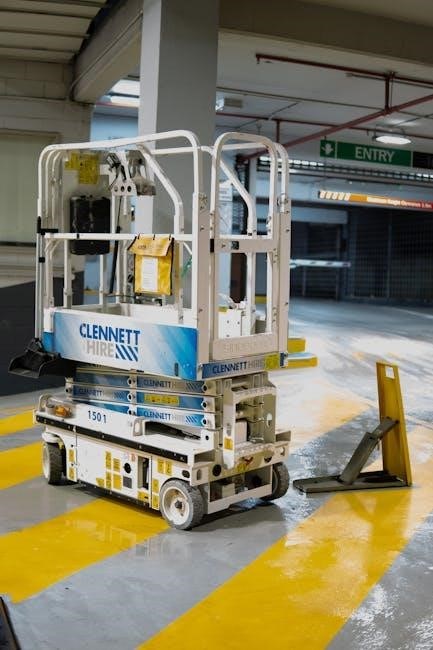
A manual scissor lift is a type of aerial work platform designed to elevate personnel and materials to various heights. Its core mechanism utilizes a criss-cross pattern of linked metal supports – the “scissor” – that expands and contracts using manual force. This expansion is typically achieved through a ratchet and pawl system, requiring physical effort to raise the platform incrementally.
Unlike powered scissor lifts, manual versions don’t require electricity, offering portability and suitability for remote locations. However, this also means operation is slower and more physically demanding. Safety is paramount; as highlighted by OSHA investigations into scissor lift incidents, proper usage and inspection are crucial to prevent accidents.
These lifts are commonly used for tasks like maintenance, repairs, and installations where a stable, elevated platform is needed, but power access is limited or unnecessary. ALI’s Lifting It Right manual emphasizes safe operation for all lift types.
Key Components of a Manual Scissor Lift
The fundamental structure of a manual scissor lift centers around its scissor mechanism – interlocking metal supports providing vertical movement. A robust base frame ensures stability, while a platform offers a secure workspace. Crucially, the ratchet and pawl system facilitates manual lifting; the ratchet engages to hold the lift at desired heights, and the pawl prevents rollback.
Wheels or casters enable portability, often including locking mechanisms for stationary operation. Guardrails surrounding the platform are essential safety features, preventing falls. Stabilizers, or outriggers, further enhance stability, particularly on uneven surfaces.
Regular inspection, as detailed in resources like the Automotive Lift Institute’s (ALI) Lifting It Right, should cover all these components. OSHA investigations emphasize the importance of well-maintained components to avoid preventable injuries and fatalities.

Operating Principles & Mechanics
Manual scissor lifts utilize mechanical advantage, converting human power into vertical lift through a ratchet system.
Understanding these principles is vital for safe and effective operation, as highlighted by OSHA.
How Manual Scissor Lifts Work: The Basic Mechanism
The core of a manual scissor lift’s functionality lies in its clever, yet simple, mechanical design. These lifts employ a criss-cross pattern of linked metal supports – the “scissor” mechanism. As force is applied, typically through a hand-operated ratchet and pawl system, these supports extend, raising the platform.
This extension isn’t a smooth, continuous motion; it’s incremental, achieved through a series of “clicks” as the ratchet engages. The pawl prevents the lift from lowering unintentionally. The geometry of the scissor structure amplifies the force applied, allowing a single operator to lift substantial weight.
Crucially, the stability of the lift depends on maintaining this symmetrical extension. Uneven loading or obstructions can compromise the mechanism, leading to potential hazards, as emphasized in safety guidelines like those from the Automotive Lift Institute (ALI).
Manual Power Systems: Ratchet and Pawl Mechanisms
Manual scissor lifts rely on robust, mechanically simple power systems – primarily the ratchet and pawl mechanism. This system converts manual effort into lifting force. The ratchet is a toothed wheel, while the pawl is a pivoting lever that engages with these teeth.
Each pump of the handle rotates the ratchet, incrementally advancing the scissor lift’s platform; The pawl’s crucial role is to prevent back-driving; it locks the ratchet in place, holding the platform at the desired height. This locking action is paramount for safety, preventing accidental descent.
Regular inspection of these components is vital. Wear or damage to the ratchet teeth or pawl can compromise the lift’s holding capacity, potentially leading to dangerous situations, as highlighted by OSHA’s investigations into scissor lift incidents.
Load Capacity and Stability Considerations
Understanding load capacity is paramount for safe manual scissor lift operation. Exceeding the manufacturer’s specified weight limit drastically increases the risk of instability and potential collapse. This capacity includes not only the weight of personnel but also any tools, materials, or equipment on the platform.
Stability is directly linked to the lift’s base and the even distribution of weight. Operating on uneven surfaces significantly compromises stability; always ensure a firm, level foundation. Wind conditions also play a critical role, particularly outdoors, potentially causing instability even within the load capacity.
OSHA investigations frequently cite instability as a contributing factor in scissor lift accidents, emphasizing the importance of adhering to weight limits and maintaining a stable operating environment. Prioritize a thorough assessment of both load and ground conditions before each use.

Safety Procedures & Regulations
Prioritizing safety is crucial when operating manual scissor lifts; OSHA investigations reveal preventable incidents. Adherence to regulations and diligent pre-operation checks are essential.
OSHA Regulations for Scissor Lift Operation
OSHA has stringent regulations governing scissor lift operation, stemming from investigations into preventable fatalities and injuries. These investigations, covering a one-year period, revealed numerous incidents directly linked to non-compliance with safety standards. Key regulations mandate comprehensive training for all operators, ensuring they understand proper usage, hazard identification, and emergency procedures.
Furthermore, OSHA requires thorough pre-operation inspections to identify any mechanical faults or safety concerns. Employers are responsible for providing a safe working environment, including appropriate personal protective equipment (PPE) and ensuring the lift is used on a stable, level surface. Regulations also address fall protection, proper guarding of pinch points, and limitations on load capacity. Consistent adherence to these guidelines is paramount to preventing accidents and ensuring worker safety when utilizing manual scissor lifts.
Pre-Operation Inspection Checklist
A meticulous pre-operation inspection is crucial for safe manual scissor lift operation, directly addressing OSHA’s emphasis on preventative measures. Begin by verifying the platform is level and securely pinned. Inspect all hydraulic hoses and fittings for leaks or damage – any compromise necessitates immediate repair. Check the ratchet and pawl mechanisms for smooth, reliable engagement, ensuring proper locking functionality.
Thoroughly examine the tires for wear and inflation, and confirm the brakes are functioning correctly. Assess the scissor arms for any signs of bending, cracking, or corrosion. Finally, verify all safety labels are present and legible. Documenting this checklist demonstrates due diligence and helps prevent incidents highlighted in recent OSHA investigations regarding preventable injuries and fatalities. A completed checklist confirms a safe starting point for each lift operation.
Safe Operating Practices: Avoiding Common Hazards
Prioritize stability: always operate on a level surface, extending outriggers fully when necessary. Avoid exceeding the specified load capacity – understanding load limits is paramount, as highlighted by OSHA investigations into lift-related incidents. Never allow riders on the platform beyond the designated capacity. Be acutely aware of overhead obstructions, including power lines and structures.
Maintain a safe distance from edges and avoid sudden movements or jarring actions while elevated. Ensure clear communication with ground personnel. Never attempt to modify or bypass safety features. Regular training, mirroring the principles in updated safety manuals like Lifting It Right, is essential. Remember, preventable fatalities often stem from neglecting basic safety protocols and proper equipment inspection.

Applications & Industries
Manual scissor lifts serve diverse sectors, including construction, maintenance, retail, and warehousing. They are ideal for tasks requiring adjustable heights and stable platforms.
Construction Industry Uses
Within the construction industry, manual scissor lifts provide a safe and efficient means of accessing elevated work areas without the need for extensive scaffolding. They are particularly useful for interior finishing tasks, such as drywall installation, painting, and ceiling work, where mobility and precise positioning are crucial.
These lifts facilitate the installation of lighting fixtures, HVAC systems, and electrical conduits. Their stable platforms allow workers to perform tasks with confidence, reducing the risk of falls. While electric models are common, manual lifts offer a cost-effective solution for projects with limited electrical access or where portability is paramount.
However, given OSHA’s focus on scissor lift safety – evidenced by investigations into preventable fatalities and injuries – rigorous pre-operation inspections and adherence to safe operating practices are absolutely essential on any construction site utilizing these machines.
Maintenance and Repair Applications
Manual scissor lifts excel in maintenance and repair scenarios, offering versatile access for tasks like equipment servicing, pipework adjustments, and building upkeep; Their compact design allows navigation through tight spaces often found in industrial facilities and commercial buildings. Technicians utilize them for reaching overhead components, performing inspections, and executing repairs efficiently.
Routine maintenance of the lifts themselves – checking for proper functionality of the ratchet and pawl mechanisms, ensuring stable platform operation, and inspecting for wear – is vital. Considering OSHA’s emphasis on safety, regular inspections, as detailed in updated manuals like Lifting It Right, are paramount.
Preventative maintenance extends the lifespan of the lift and minimizes downtime, ensuring continued safe and reliable operation for essential repair work across diverse industries.
Retail and Warehouse Environments
Manual scissor lifts prove invaluable in retail and warehouse settings, facilitating stocktaking, shelf replenishment, and lighting maintenance. Their maneuverability allows access to high shelves and hard-to-reach areas, improving efficiency in inventory management and store upkeep. These lifts are particularly useful for tasks requiring frequent repositioning within confined spaces.
Safety remains critical; adhering to OSHA regulations and pre-operation checklists is essential, especially given reported incidents involving scissor lifts. Rental businesses must prioritize customer safety, ensuring proper training and equipment inspection before each use.
The lifts’ relatively quiet operation minimizes disruption during business hours, making them ideal for environments where noise control is important. Regular maintenance, as highlighted in safety manuals, ensures continued reliable performance.
Maintenance & Troubleshooting
Regular inspections and upkeep are vital for longevity. Addressing common issues promptly, guided by safety manuals, prevents larger problems and ensures continued safe operation of the lift.
Routine Maintenance Procedures
Consistent maintenance is paramount for ensuring the reliable and safe operation of a manual scissor lift. A thorough visual inspection should be conducted before each use, checking for any signs of damage, wear, or loose components. This includes examining the scissor arms for bends or cracks, verifying the functionality of the ratchet and pawl mechanism, and inspecting all pins and fasteners.
Regular lubrication of moving parts – particularly the pivot points of the scissor arms – is crucial to prevent corrosion and ensure smooth operation. Periodically, inspect the lifting platform for any structural weaknesses. Keep the base of the lift clean and free from obstructions. Adhering to a strict maintenance schedule, as outlined in the manufacturer’s manual, will significantly extend the lifespan of the equipment and minimize the risk of unexpected failures. Remember, safety manuals like Lifting It Right reinforce the importance of preventative measures.
Common Issues and Troubleshooting Tips
Several issues can arise with manual scissor lifts, often stemming from lack of maintenance or improper use. Difficulty raising or lowering the lift frequently indicates a problem with the ratchet and pawl mechanism – check for debris or damage. If the lift feels unstable, immediately cease operation and inspect the base for levelness and proper locking of the wheels.
Binding or sticking in the scissor arms suggests a need for lubrication. Worn or damaged pins and fasteners should be replaced immediately. OSHA investigations highlight preventable injuries, often linked to neglected maintenance. Always consult the manufacturer’s manual for specific troubleshooting guidance. Remember, prioritizing safety, as emphasized in resources like the updated Lifting It Right manual, is crucial when addressing any operational concerns.
Extending the Lifespan of Your Manual Scissor Lift
To maximize the longevity of your manual scissor lift, consistent preventative maintenance is paramount. Regularly lubricate all moving parts, particularly the scissor arms and ratchet mechanism, to reduce friction and wear. Inspect all pins, fasteners, and welds for signs of damage or fatigue, replacing them promptly when necessary.
Store the lift in a dry, sheltered environment to prevent rust and corrosion. Adhering to the load capacity limits, as outlined in the manual, prevents undue stress on the structure. Following safety guidelines, like those detailed in resources such as the Automotive Lift Institute’s Lifting It Right, minimizes the risk of damage from improper operation. Consistent inspections, as recommended by OSHA, are vital for identifying and addressing potential issues before they escalate.
Alternatives & Comparisons
Exploring options beyond manual lifts, electric versions offer powered operation. Other aerial lifts, like boom lifts, provide greater reach, demanding careful consideration of project needs.
Manual vs. Electric Scissor Lifts
The core difference between manual and electric scissor lifts lies in their power source and operational convenience. Manual scissor lifts, relying on physical force – typically a ratchet and pawl mechanism – are ideal for tasks requiring portability and limited access to power. They are generally more affordable upfront, but demand greater physical exertion from the operator.
Electric scissor lifts, conversely, utilize batteries and electric motors, offering effortless operation and increased lifting speeds. While possessing a higher initial cost, they significantly reduce operator fatigue and enhance productivity, particularly for repetitive lifting tasks. Electric models often include features like proportional lowering controls for precise positioning.

Safety considerations are paramount with both types, but electric lifts may incorporate additional safety features like descent alarms and emergency stop buttons. The choice ultimately depends on the specific application, budget, and the physical capabilities of the intended users.
Other Types of Aerial Lifts
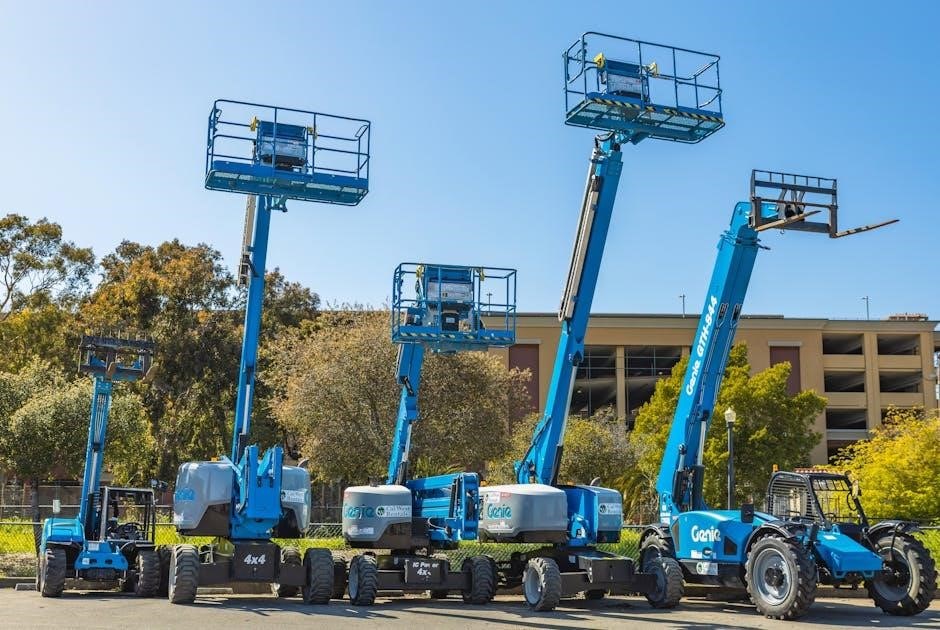
Beyond manual scissor lifts, a diverse range of aerial work platforms caters to varying job site demands. Boom lifts – both telescopic and articulated – provide exceptional reach and maneuverability, ideal for navigating obstacles. Articulated booms excel in tight spaces, while telescopic booms cover greater horizontal distances.
Scissor lifts, in their electric and rough terrain variations, offer stable platforms for vertical access. Mast lifts, compact and lightweight, are suited for indoor maintenance and installations. Personnel lifts, often smaller and self-propelled, facilitate access to elevated areas within warehouses or retail spaces.
Understanding the strengths of each type is crucial. While manual scissor lifts prioritize affordability and portability, other options deliver enhanced reach, stability, or maneuverability. Careful consideration of the task at hand, work environment, and safety requirements will guide the selection of the most appropriate aerial lift.
Choosing the Right Lift for Your Needs
Selecting the appropriate aerial lift hinges on a thorough assessment of project requirements. Manual scissor lifts excel in situations demanding portability, affordability, and low-level access – think indoor maintenance or retail stocking. However, consider limitations: they lack the reach of boom lifts and require manual operation, impacting efficiency.
If substantial height or obstacle navigation is needed, explore electric or rough terrain scissor lifts, or even boom lifts. For confined spaces, articulated booms offer superior maneuverability. Prioritize safety; ensure the chosen lift complies with OSHA regulations and features appropriate guardrails and stabilization systems.
Rental businesses play a vital role in ensuring customer safety through pre-rental inspections and clear operational guidance. Ultimately, the ‘right’ lift balances functionality, safety, and cost-effectiveness, aligning perfectly with the specific task at hand.