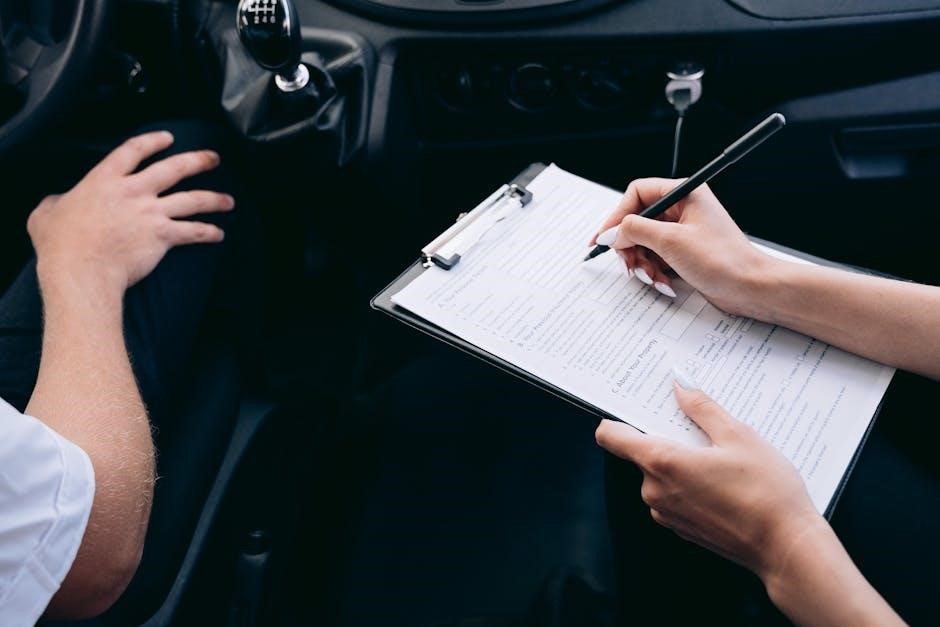
Understanding Car Starters for Manual Transmission Vehicles
Manual transmissions historically required driver skill‚ yet modern systems integrate clutch interlock systems for easier starting. A dead battery is a frequent issue‚ demanding regular checks.
Early systems relied on hand cranks‚ evolving to electric starters; proper fluid level monitoring is crucial for optimal performance and longevity of the starter.
The Fundamentals of Manual Transmission
Manual transmissions‚ once the standard‚ demand a driver’s engagement with the vehicle’s mechanics. Unlike automatics‚ they require coordinating the clutch and gear selector to transfer engine power to the wheels. Learning to drive a manual involves mastering this coordination‚ avoiding premature clutch wear from excessive revving the engine before clutch release.
Historically‚ before the widespread adoption of automatic transmissions‚ most cars utilized manual systems. This meant drivers needed to understand the principles of gear ratios and engine speed. Modern manual cars often incorporate clutch interlock systems‚ preventing starting unless the clutch pedal is depressed‚ enhancing ease of use and safety. Understanding these fundamentals is key to appreciating the starting process.
The Role of the Starter Motor
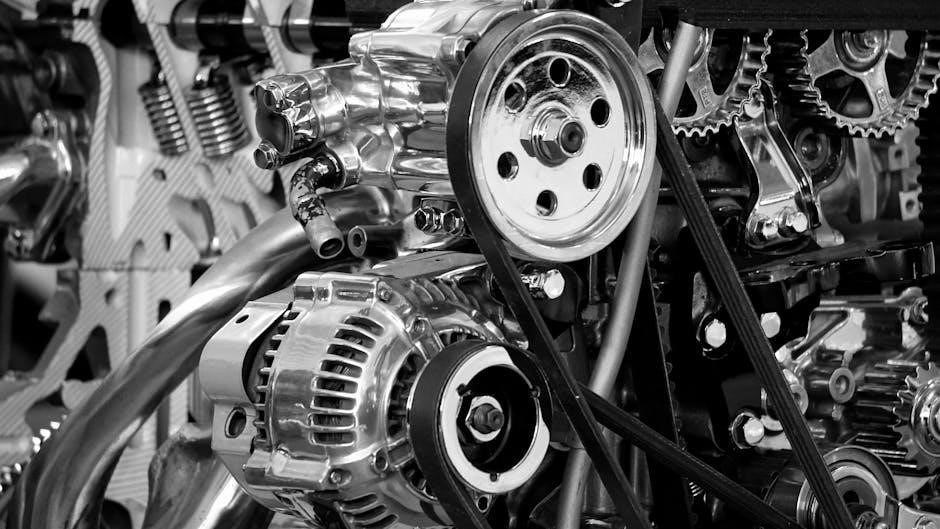
The starter motor is a crucial component‚ initiating the combustion process in both automatic and manual transmission vehicles. It’s an electric motor that engages with the engine’s flywheel‚ cranking it to begin the cycle of intake‚ compression‚ combustion‚ and exhaust. A faulty starter motor is a common cause of starting failures‚ often linked to worn brushes or a failing solenoid.
In a manual transmission car‚ the starter’s role is unaffected by the gearbox type. However‚ the clutch interlock system ensures the engine isn’t under load during starting‚ protecting both the starter and the engine. Regular starter motor inspection is part of preventative maintenance‚ ensuring reliable operation and avoiding inconvenient breakdowns.

Common Starting Issues in Manual Cars
Dead batteries are primary culprits‚ alongside faulty starter motors and ignition switch problems. Modern cars often feature immobilizer systems adding complexity.
Dead Battery: The Primary Culprit
A dead battery consistently ranks as the most frequent reason a manual transmission car fails to start‚ mirroring issues across all vehicle types. The battery provides the initial electrical surge needed to engage the starter motor‚ which then cranks the engine.
Cold weather significantly impacts battery performance‚ reducing its capacity. Leaving lights on‚ or a malfunctioning charging system‚ can also drain the battery. Simple checks‚ like ensuring headlights aren’t left on‚ are preventative measures. Jump-starting is a common solution‚ but repeated reliance on this indicates an underlying issue requiring professional attention. Regular battery checks and maintenance are vital for a reliable start.
Ultimately‚ a weak or dead battery prevents the starter from receiving sufficient power‚ leaving you stranded.
Faulty Starter Motor
A failing starter motor is another common cause of starting problems in manual transmission vehicles. The starter motor’s job is to physically crank the engine‚ initiating the combustion process. Over time‚ the starter motor’s components – brushes‚ solenoid‚ and armature – can wear out‚ leading to intermittent or complete failure.
Symptoms include a clicking sound when turning the key (indicating a faulty solenoid)‚ slow engine cranking‚ or no response at all. Starter motor inspection should be part of routine maintenance. Ignoring these signs can lead to the starter failing entirely‚ leaving you unable to start your car. Testing the starter motor with a multimeter can help diagnose the issue.
Ultimately‚ a faulty starter prevents the engine from turning over.
Ignition Switch Problems
The ignition switch is the crucial link between your key and the car’s electrical system‚ including the starter motor. Problems with the ignition switch can prevent power from reaching the starter‚ resulting in a no-start condition. These issues can range from a worn-out switch cylinder to faulty wiring or a failing relay.
Symptoms include no response when turning the key‚ intermittent starting problems‚ or the car dying while driving. Diagnosing ignition switch issues often requires a multimeter to check for voltage and continuity. Modern cars often feature immobilizer systems integrated with the ignition‚ adding complexity. A failing switch can also affect other electrical components.
Proper diagnosis is key to resolving ignition switch related starting failures.
The Starting Procedure: A Step-by-Step Guide
Ensure the parking brake is engaged‚ shift to neutral‚ fully depress the clutch‚ and then turn the ignition key to activate the starter motor.
Ensuring Neutral Position
Prior to engaging the starter‚ verifying the transmission is in neutral is absolutely critical for safety and preventing unintended vehicle movement. Modern manual cars often feature clutch interlock systems‚ preventing starting unless the clutch pedal is depressed‚ but neutral confirmation remains vital.
Attempting to start in gear can result in a sudden lurch forward or backward‚ potentially causing an accident or damage. Hold the brakes firmly while confirming neutral; a slight wiggle of the gearshift lever should demonstrate free movement. Incorrect clutch usage can exacerbate this risk‚ so proper technique is essential. Always double-check before turning the key!
This simple step safeguards both the driver and surrounding individuals‚ ensuring a controlled and safe starting process.
Depressing the Clutch Pedal
Fully depressing the clutch pedal is a fundamental step in starting a manual transmission vehicle. This action disengages the engine from the transmission‚ allowing the starter motor to crank the engine without resistance from the drivetrain. Modern systems utilize clutch interlock systems‚ mandating pedal depression for ignition.
Failing to fully depress the clutch can cause a jarring start‚ or even prevent the engine from turning over at all. Reving the engine before clutch release is detrimental‚ leading to premature clutch wear. Ensure a smooth‚ complete pedal travel to minimize stress on the system.
This practice protects both the vehicle’s components and ensures a safe‚ controlled starting experience.
Turning the Ignition Key
With the clutch fully depressed and the transmission in neutral‚ turning the ignition key initiates the starting sequence. This activates the starter motor‚ which engages with the engine’s flywheel to begin cranking. A faulty starter motor or ignition switch problems can prevent this process.
Listen for the starter to engage; a clicking sound may indicate a dead battery or a failing starter. Hold the key in the start position until the engine fires up. Avoid prolonged cranking‚ as this can overheat the starter.
Modern vehicles often feature immobilizer systems‚ requiring key recognition for starting.
Troubleshooting Starting Problems
Checking battery connections and testing the starter motor are vital first steps. Ignition switch issues can also be the cause‚ requiring diagnosis.
Checking Battery Connections
Ensuring solid battery connections is paramount when facing starting issues. Corrosion on terminals can significantly impede electrical flow‚ preventing the starter from engaging. Visually inspect the terminals for any white‚ powdery buildup – this indicates corrosion.
Carefully disconnect the cables (negative first!)‚ clean the terminals and cable ends with a wire brush or a specialized terminal cleaning tool‚ and then reconnect them securely. A loose connection‚ even if clean‚ can cause intermittent starting problems.
Confirm the cables are tightly fastened and don’t wiggle. A voltmeter can verify sufficient voltage is reaching the starter; a reading below 12.6 volts suggests a weak or failing battery needing replacement or a charge.
Testing the Starter Motor
Directly testing the starter motor requires caution and some mechanical knowledge. With the battery connected‚ carefully bypass the solenoid by using a screwdriver to briefly connect the positive battery terminal to the starter’s small terminal.
Listen for a clicking sound – if present‚ the solenoid is likely functioning‚ but the motor itself may be faulty. If nothing happens‚ the starter motor is likely defective. Avoid prolonged contact as this can damage the starter.
A professional mechanic can perform a more thorough test using a multimeter to check for voltage and amperage draw. A failing starter often exhibits slow cranking or no cranking at all‚ accompanied by a clicking noise.
Diagnosing Ignition Switch Issues
Diagnosing ignition switch problems often begins with observing if other electrical components function correctly. If the dashboard lights‚ radio‚ and other accessories work‚ but the starter doesn’t engage‚ the switch is a prime suspect.
Use a multimeter to check for voltage at the starter solenoid wire when the key is turned to the start position. No voltage indicates a faulty switch or wiring. A worn ignition switch can exhibit intermittent starting issues‚ requiring replacement.
Modern cars often have immobilizer systems integrated with the ignition switch; a malfunctioning immobilizer can prevent the starter from engaging‚ even with a good switch.

Preventative Maintenance for a Reliable Start
Regular battery checks and starter motor inspection are vital. Maintaining proper fluid levels – engine oil and coolant – ensures optimal engine health and starting reliability.
Regular Battery Checks and Maintenance
Consistent battery assessments are paramount for a dependable start‚ especially in manual transmission vehicles. A failing battery is often the primary culprit behind starting issues. Visually inspect terminals for corrosion‚ cleaning them with a wire brush if necessary‚ ensuring a solid connection.
Regularly test the battery’s voltage using a multimeter; a healthy battery should read around 12.6 volts when fully charged. Consider a load test to evaluate its ability to deliver sufficient current. Proper maintenance‚ including keeping the battery securely mounted and avoiding excessive electrical drain when the engine is off‚ extends its lifespan. Remember‚ a proactive approach to battery care minimizes the risk of being stranded with a non-starting car.
Starter Motor Inspection
Periodic inspection of the starter motor is vital for preventing unexpected starting failures in manual transmission cars. Listen for unusual noises – clicking‚ grinding‚ or whirring – when attempting to start the vehicle‚ as these can indicate a failing starter.
Visually check the starter’s wiring connections‚ ensuring they are clean and tight. Examine the starter solenoid for signs of corrosion or damage. A faulty starter motor often presents with intermittent starting problems. While testing‚ be cautious and disconnect the negative battery terminal first. Professional diagnosis is recommended if you suspect a starter issue‚ as it involves electrical components and potential safety hazards.
Fluid Level Monitoring (Engine Oil‚ Coolant)
Maintaining optimal fluid levels – specifically engine oil and coolant – indirectly supports reliable starting in manual transmission vehicles. Low engine oil increases internal friction‚ placing extra strain on the starter motor during initial crank. Similarly‚ insufficient coolant can lead to overheating‚ potentially damaging the engine and hindering the starting process.
Regularly check both fluids according to the manufacturer’s recommendations. Ensuring essential fluids are regularly checked contributes to overall engine health and reduces the load on the starter. Proper lubrication and temperature regulation are crucial for a smooth and efficient start‚ especially in colder weather conditions.
Advanced Starting Techniques
Jump starting and push starting (hill start) are options‚ though the latter carries risks. Modern cars often have clutch interlock systems preventing starting without clutch depression.
Jump Starting a Manual Transmission Car
Jump starting a manual car mirrors the process for automatics‚ but a few nuances exist. Ensure both vehicles are off before connecting the jumper cables – red to positive (+)‚ black to a grounded metal part of the disabled car’s engine.
Start the functioning vehicle and let it run for several minutes to transfer charge. Then‚ attempt to start the manual car. If it doesn’t start immediately‚ allow further charging time. Remember to hold the clutch pedal down‚ ensuring the transmission is in neutral.
This prevents accidental movement if the car unexpectedly starts. Once running‚ carefully disconnect the cables in reverse order. Regular battery checks can prevent future jump-start needs‚ and proper maintenance extends starter life.
Push Starting (Hill Start) ‒ Risks and Procedure
Push starting a manual transmission car is a last resort‚ inherently dangerous‚ and requires a hill. Disengage the parking brake and steer straight. With the ignition on‚ depress the clutch and select second gear.
Gain momentum by pushing or rolling downhill – aim for around 5-10 mph. Quickly release the clutch while simultaneously applying throttle. Coordinate these actions to avoid stalling or losing control.
Power steering and brakes will be unavailable during the push‚ increasing risk. This method is not recommended due to safety concerns and potential damage. Modern cars with immobilizer systems may prevent this entirely; prioritize professional assistance instead.
Modern Manual Car Starting Systems
Clutch interlock systems prevent starting without clutch depression‚ enhancing safety. Immobilizer systems add security‚ requiring a coded key for ignition‚ protecting against theft.
Clutch Interlock Systems
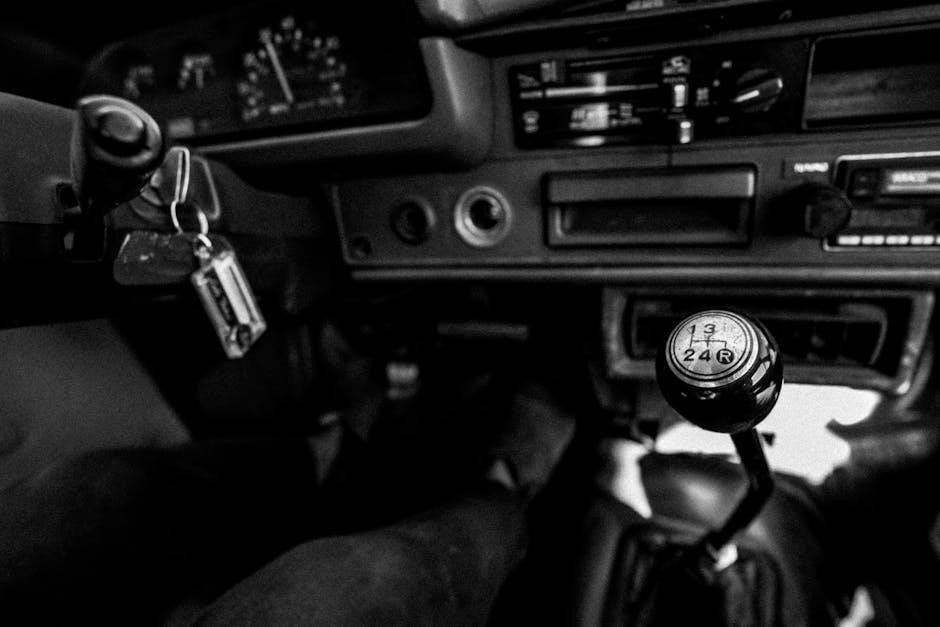
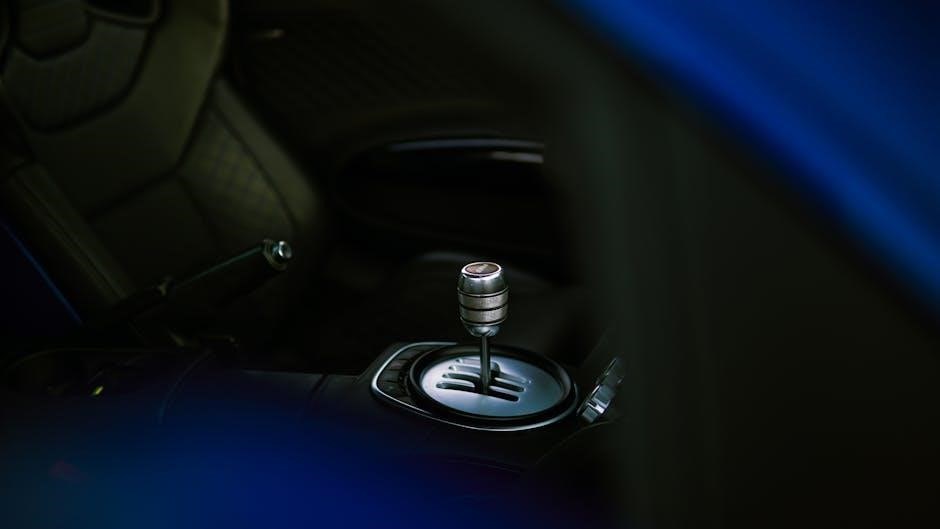
Clutch interlock systems are a standard safety feature in modern manual transmission vehicles. These systems are designed to prevent the engine from starting unless the clutch pedal is fully depressed. This crucial function eliminates the risk of the car lurching forward unexpectedly during ignition‚ a common hazard in older vehicles without such safeguards.
The system utilizes a switch connected to the clutch pedal; if the pedal isn’t pressed‚ the switch remains open‚ interrupting the electrical circuit to the starter motor. Modern cars dont even start if you don’t hold the transmission down‚ as one source notes. This simple yet effective mechanism significantly improves safety‚ particularly for less experienced drivers‚ and is a key component of contemporary manual car starting procedures.
Immobilizer Systems
Immobilizer systems represent a significant advancement in vehicle security‚ working in conjunction with the starter motor in modern manual transmission cars. These systems utilize a transponder chip embedded within the car key‚ communicating with the vehicle’s computer to verify its authenticity before allowing the engine to start. Without the correct signal‚ the starter is disabled‚ preventing theft.
This technology adds a layer of protection beyond traditional mechanical locks. While not directly related to the mechanical aspects of starting‚ immobilizers are integral to the starting process. They ensure only authorized individuals can operate the vehicle‚ enhancing security and deterring unauthorized use. These systems are now commonplace‚ contributing to a substantial reduction in car theft rates.
Avoiding Common Starting Mistakes
Incorrect clutch usage and excessive revving before clutch release prematurely wear the clutch. Always ensure the transmission is in neutral before starting the engine.
Incorrect Clutch Usage
Incorrect clutch usage is a frequent contributor to starting difficulties and long-term transmission wear. Many drivers mistakenly fail to fully depress the clutch pedal when initiating the starting sequence‚ preventing complete disengagement of the engine from the transmission. This can create resistance‚ straining the starter motor and potentially damaging the clutch components.
Furthermore‚ releasing the clutch too quickly after starting‚ or attempting to “ride” the clutch‚ introduces unnecessary friction and heat. Modern manual cars often feature clutch interlock systems‚ preventing starting unless the clutch is fully depressed‚ highlighting the importance of proper technique. Mastering smooth clutch control is vital for a reliable start and extended component life.
Revving the Engine Excessively Before Clutch Release
Excessive revving before releasing the clutch is a detrimental practice‚ often leading to premature clutch wear and tear. As noted‚ revving the engine unnecessarily before clutch engagement dramatically increases friction and heat within the clutch assembly‚ shortening its lifespan. This aggressive technique doesn’t contribute to a smoother start; instead‚ it accelerates component degradation.
A controlled and gradual clutch release‚ synchronized with gentle throttle application‚ is the optimal method. Modern drivers should avoid mimicking older techniques that relied on high engine speeds. Proper driving technique‚ prioritizing smoothness over brute force‚ ensures longevity and efficient operation of the manual transmission and starter motor.

The History of Manual Transmissions and Starting Methods
Early manual systems demanded hand cranks; later‚ electric starters emerged. Before the 21st century‚ most cars utilized manual transmissions‚ evolving alongside starter technology.
Early Manual Transmission Systems
Before the widespread adoption of automatic transmissions‚ driving necessitated a firm grasp of manual gearboxes. These early systems‚ prevalent for much of automotive history‚ relied entirely on the driver’s coordination to select the appropriate gear ratio. Starting these vehicles was a distinctly physical process‚ initially involving a hand crank inserted into the front of the car.
This required considerable effort and presented a risk of kickback if the engine wasn’t properly primed. The introduction of the electric starter‚ a significant advancement‚ gradually replaced the hand crank‚ offering a safer and more convenient starting method. However‚ even with the electric starter‚ mastering the clutch and gear selection remained fundamental to operating a manual transmission vehicle.
Evolution of Starter Technology
The initial reliance on hand cranks for starting cars was quickly recognized as cumbersome and dangerous. This spurred the development of electric starters‚ a pivotal moment in automotive history. Early electric starters were relatively large and complex‚ but they offered a significant improvement in convenience and safety.
Over time‚ starter technology evolved‚ becoming more compact‚ efficient‚ and reliable. Advancements in motor design‚ gear reduction systems‚ and solenoid technology contributed to these improvements. Modern starters utilize high-torque motors and sophisticated control systems‚ ensuring quick and dependable engine cranking‚ even in challenging conditions. These advancements have greatly simplified the starting process for both manual and automatic transmission vehicles.
Safety Considerations When Starting a Manual Car
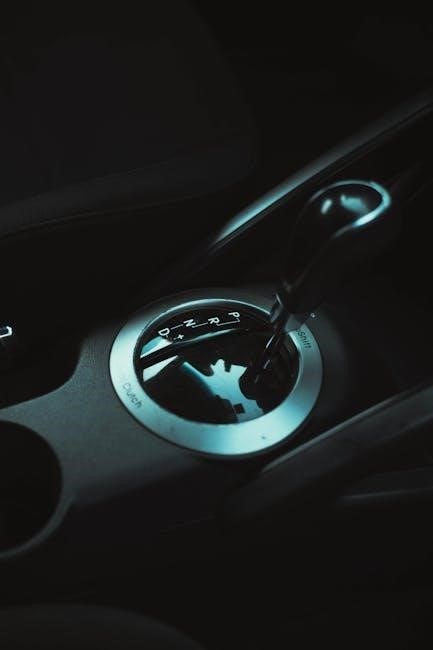
Always engage the parking brake firmly before attempting to start. Ensure awareness of surroundings‚ and confirm the car is in neutral to prevent unexpected movement.
Parking Brake Engagement
Engaging the parking brake is paramount before initiating the starting sequence in a manual transmission vehicle. This simple‚ yet crucial step prevents unintended vehicle movement‚ safeguarding against potential rollaway scenarios‚ especially on inclines. A properly functioning parking brake provides a mechanical safeguard‚ independent of the vehicle’s hydraulic braking system.
Before turning the ignition key‚ verify the parking brake is firmly applied. A loose or improperly adjusted parking brake compromises safety. Regularly inspect the parking brake cable and mechanism for wear and tear‚ ensuring optimal functionality. Prioritizing this safety measure minimizes the risk of accidents during the starting process and contributes to overall vehicle control.
Remember‚ a secure parking brake is your first line of defense against unexpected movement‚ allowing for a safe and controlled start every time.
Awareness of Surroundings
Maintaining complete awareness of your surroundings is critical when starting a manual transmission vehicle. Before turning the ignition‚ scan for pedestrians‚ cyclists‚ and other vehicles. Ensure there are no obstructions in your intended path of travel. This proactive assessment minimizes the risk of collisions during the starting process.
Pay particular attention to potential hazards‚ such as parked cars‚ children playing‚ or approaching traffic. Be prepared to react quickly if unexpected movement occurs. A clear understanding of your environment allows for a safe and controlled start. Avoid distractions and focus solely on the task at hand.
Prioritizing situational awareness demonstrates responsible driving habits and contributes to a safer driving experience for yourself and others.
Resources for Further Learning
Online automotive forums and detailed repair manuals offer valuable insights into manual transmission starters. CarBuzz provides expert automotive content and analysis.
Online Automotive Forums
Online automotive forums are invaluable resources for diagnosing and resolving car starter issues in manual transmission vehicles. These communities connect owners and enthusiasts‚ fostering a collaborative environment for sharing knowledge and experiences.
Users frequently discuss specific starting problems‚ offering troubleshooting tips and potential solutions. You can find detailed threads on dead batteries‚ faulty starter motors‚ and ignition switch problems‚ often with step-by-step guides and visual aids.
Forums also provide a platform to ask questions directly to experienced mechanics and fellow drivers‚ receiving personalized advice tailored to your vehicle’s make and model. Searching existing threads can often reveal solutions to common issues‚ saving time and potentially costly repairs. Remember to verify information from multiple sources.
Repair Manuals and Guides
Repair manuals and guides offer detailed‚ vehicle-specific instructions for diagnosing and repairing car starter systems in manual transmission cars. These resources provide schematics‚ wiring diagrams‚ and torque specifications crucial for accurate repairs.
They often include step-by-step procedures for testing the starter motor‚ battery connections‚ and ignition switch‚ ensuring a systematic approach to troubleshooting. Manuals detail component locations and disassembly/reassembly procedures‚ vital for DIY mechanics.
Haynes and Chilton are popular publishers‚ offering both print and digital versions. Online databases also provide access to factory service manuals. Utilizing these guides ensures repairs are performed correctly‚ minimizing the risk of further damage and maximizing the longevity of the starting system.