Modernist Pizza PDF: A Comprehensive Article Plan (03/09/2026)
Modernist Pizza, a 1,708-page definitive guide, explores techniques and ingredients, born from exhaustive research and experiments. It’s a culmination of pizza knowledge!
Modernist Pizza represents a paradigm shift in how we approach this beloved culinary creation. This isn’t merely a cookbook; it’s a deep dive into the science, history, and artistry behind every slice. Created by Nathan Myhrvold and Francisco Migoya, this monumental work—spanning an impressive 1,708 pages across three volumes and a recipe manual—aims to be the definitive resource for both seasoned pizzaiolos and enthusiastic home cooks.
The project stems from the same team behind the acclaimed Modernist Cuisine and Modernist Bread, signifying a commitment to rigorous experimentation and detailed analysis. It’s a journey through regional variations, ingredient sourcing, and advanced techniques, all meticulously documented. The Modernist Pizza PDF offers a comprehensive understanding, moving beyond traditional methods to unlock the full potential of pizza making. Prepare to explore a world where pizza isn’t just food, but a subject worthy of scientific inquiry and passionate dedication.
What is Modernist Pizza?
Modernist Pizza isn’t defined by a single style, but by an approach. It’s about applying scientific principles and innovative techniques to elevate the pizza-making process. This involves a detailed understanding of dough hydration, gluten development, and the enzymatic activity triggered by techniques like autolyse – all explored extensively within the 1,708-page work. It’s a commitment to ingredient analysis, sourcing the best possible components, and understanding their impact on the final product.
The core philosophy centers on deconstructing pizza to its fundamental elements, then reconstructing it with precision and creativity. It’s about mastering traditional methods and pushing boundaries. The Modernist Pizza PDF doesn’t dictate a single “right” way, but provides the knowledge to experiment, adapt, and ultimately, create pizza tailored to individual preferences. It’s a celebration of both heritage and innovation, resulting in a truly exceptional pizza experience.
The Authors: Nathan Myhrvold and Francisco Migoya
Nathan Myhrvold, renowned for his work on Modernist Cuisine, brings a scientific rigor and innovative spirit to Modernist Pizza. His background isn’t traditionally culinary; he’s a former Chief Technology Officer of Microsoft, lending a unique analytical perspective to food science. He champions exhaustive research and experimentation, hallmarks of the project.
Francisco Migoya, a highly respected chef and culinary scientist, provides the practical expertise and deep understanding of baking techniques. His contributions ensure the work isn’t purely theoretical, but grounded in real-world application. Together, Myhrvold and Migoya assembled a team to travel extensively, collecting knowledge and perfecting recipes.
Their collaboration resulted in a comprehensive guide, spanning 1,708 pages, reflecting their combined dedication to unraveling the complexities of pizza. They aim to advance the world’s knowledge of pizza, offering a resource for both professionals and passionate home cooks.
The Scope of the Work: 1,708 Pages
Modernist Pizza isn’t a simple cookbook; it’s a monumental, 1,708-page exploration of everything pizza. This expansive work is structured into three volumes, accompanied by a dedicated recipe manual, offering an unparalleled depth of coverage. The sheer volume reflects the authors’ commitment to a truly comprehensive approach.
The content delves into the history of pizza, regional variations, the science of dough, detailed ingredient analysis, and advanced techniques. It doesn’t shy away from complexity, examining everything from gluten development to sauce creation. Each aspect is meticulously researched and presented.
This isn’t just about recipes; it’s about understanding the why behind every step. The extensive page count allows for detailed explanations, troubleshooting guides, and a wealth of visual aids, making it a definitive resource for pizza enthusiasts of all levels.
Volume 1: History and Fundamentals
Modernist Pizza’s first volume charts pizza’s historical journey and foundational elements, exploring regional styles and the core science underpinning perfect dough creation and flavor.
A Historical Overview of Pizza
Modernist Pizza meticulously traces pizza’s evolution, far beyond its Neapolitan origins. Volume 1 delves into the surprisingly complex history, revealing influences from ancient flatbreads to the modern iterations enjoyed globally. The work doesn’t simply present a linear timeline; it explores the socio-economic factors that shaped pizza’s development, including immigration patterns and ingredient availability.
The authors investigate early precursors to pizza in various cultures, highlighting the contributions of different civilizations to the concept of flatbreads with toppings. They then focus on Naples, detailing the emergence of pizza as a street food for the working class in the 18th and 19th centuries. The book examines the pivotal role of key figures like Raffaele Esposito and the creation of the Margherita pizza, solidifying its place in Italian culinary history.
Furthermore, Modernist Pizza doesn’t shy away from exploring pizza’s journey to America and its subsequent transformation into a uniquely American food. It details the establishment of the first pizzerias in the United States and the development of regional styles, setting the stage for the detailed explorations found in later volumes.
Regional Pizza Variations Explored
Modernist Pizza dedicates significant attention to the diverse landscape of regional pizza styles, moving beyond the well-known Neapolitan and New York varieties. Volume 3 meticulously dissects the characteristics that define each style, from crust thickness and sauce composition to topping preferences and baking techniques.
The work provides an in-depth analysis of New York-style pizza, focusing on the importance of water chemistry and high-gluten flour in achieving its signature chew. It then journeys to Chicago, exploring both deep-dish and tavern-style pizzas, detailing the unique layering and baking processes involved. Sicilian pizza receives comprehensive coverage, highlighting the importance of a thick, airy crust and robust sauce.
Furthermore, Modernist Pizza doesn’t overlook lesser-known regional styles, such as Detroit-style pizza with its caramelized cheese edges and St. Louis-style pizza with its Provel cheese base. The authors provide detailed recipes and guidance for replicating these styles authentically, offering a truly global perspective on pizza making.
The Science Behind Pizza Dough
Modernist Pizza delves deeply into the scientific principles governing pizza dough, moving beyond traditional recipes to explain the ‘why’ behind each step. The work meticulously examines the role of flour composition, specifically protein content and starch characteristics, in influencing dough extensibility and elasticity.
A core focus is understanding gluten development – the network of proteins that provides structure to the dough. The authors explore how factors like hydration levels, mixing intensity, and temperature affect gluten formation and strength. They also detail the impact of different flour types, including 00 flour, bread flour, and all-purpose flour, on the final dough properties.
Furthermore, Modernist Pizza investigates the enzymatic activity within dough, particularly the role of amylase and protease enzymes in breaking down starches and proteins, influencing flavor and texture. The exploration of autolyse, a pre-mixing hydration step, is central to this scientific understanding, explaining its impact on dough development.
Understanding Gluten Development
Modernist Pizza provides an exhaustive examination of gluten development, dissecting the complex interplay of proteins – gliadin and glutenin – when hydrated and manipulated. The text details how mechanical energy, through kneading or mixing, aligns these proteins, forming the elastic network crucial for dough structure.
The authors explain how varying hydration levels directly impact gluten strength; higher hydration generally leads to a more extensible, open crumb, while lower hydration yields a tighter, chewier texture. They also explore the influence of salt, which strengthens gluten but can inhibit yeast activity, requiring careful balancing.
Furthermore, Modernist Pizza clarifies the detrimental effects of overmixing, which can shear the gluten strands, resulting in a weak and slack dough. The work emphasizes the importance of understanding gluten’s response to different handling techniques and environmental factors, offering precise guidance for achieving optimal gluten development for various pizza styles.
Volume 2: Techniques and Ingredients
This volume of Modernist Pizza delves into advanced dough hydration, detailed ingredient analysis, and the pivotal role of autolyse in enhancing flavor and texture.
The Role of Autolyse in Dough Making
The autolyse process, meticulously examined within Modernist Pizza, centers around fully hydrating flour to initiate enzymatic activity and gluten development. This crucial step, as detailed in Volume 2, effectively reduces required mixing time, potentially improving the final pizza’s characteristics.
However, the authors, Myhrvold and Migoya, present a nuanced perspective, based on their prior research in Modernist Bread. They discovered the benefits of autolyse aren’t universal; its value depends heavily on the baker’s workflow, available time, and the specific bread – or in this case, pizza – being crafted.
The key advantage lies in minimizing overmixing, a common pitfall that can negatively impact flavor, crumb texture, and the overall color of the pizza crust. By allowing the flour to hydrate and enzymes to begin their work, the dough becomes more extensible and easier to handle, ultimately contributing to a superior final product. The Modernist Pizza PDF provides extensive experimentation details to help bakers determine optimal autolyse times for their specific recipes and conditions.
Detailed Ingredient Analysis
Modernist Pizza, spanning its extensive 1,708 pages, doesn’t simply provide recipes; it delves into a remarkably detailed analysis of every ingredient impacting pizza quality. Volume 2, “Techniques and Ingredients,” dedicates significant space to understanding the nuances of flour, water, yeast, salt, and beyond.
The work meticulously examines how different flour types – from 00 to all-purpose – contribute varying levels of gluten development and flavor profiles. Water quality, yeast strains, and salt composition are similarly scrutinized, revealing how subtle variations can dramatically alter the final outcome.
This isn’t merely theoretical; the PDF is filled with practical guidance on sourcing, handling, and preparing each ingredient for optimal results. The authors explore the impact of ingredient ratios, hydration levels, and even temperature control, empowering pizza makers to move beyond rote recipes and truly understand the science behind their craft. Modernist Pizza aims to elevate pizza making through informed ingredient selection and precise application.
Advanced Dough Hydration Techniques
Modernist Pizza dedicates substantial attention to mastering dough hydration, recognizing it as a cornerstone of exceptional pizza. Volume 2, “Techniques and Ingredients,” moves beyond basic hydration levels, exploring methods for achieving incredibly high-hydration doughs – often exceeding 70% and even reaching 80% or higher.
The PDF details techniques like the strategic use of autolyse, a pre-mixing process where flour and water are combined to initiate gluten development and enhance extensibility. It also covers methods for incorporating water gradually, utilizing different mixing techniques to manage the dough’s structure, and understanding the impact of water temperature.
These advanced techniques aren’t presented as mere complexity for complexity’s sake. Modernist Pizza explains how higher hydration levels contribute to a lighter, airier crumb structure, improved flavor development, and a more delicate crust. The guide provides detailed instructions and troubleshooting advice, enabling pizza makers to confidently experiment with and master these challenging yet rewarding techniques.
Sauce Creation: From Simple to Complex
Modernist Pizza doesn’t treat sauce as an afterthought; it’s a deeply investigated element. Volume 2 meticulously dissects sauce creation, ranging from the simplest, most traditional preparations to incredibly complex and innovative approaches. The PDF begins with foundational techniques for crafting a classic Neapolitan tomato sauce, emphasizing ingredient quality and proper cooking methods.
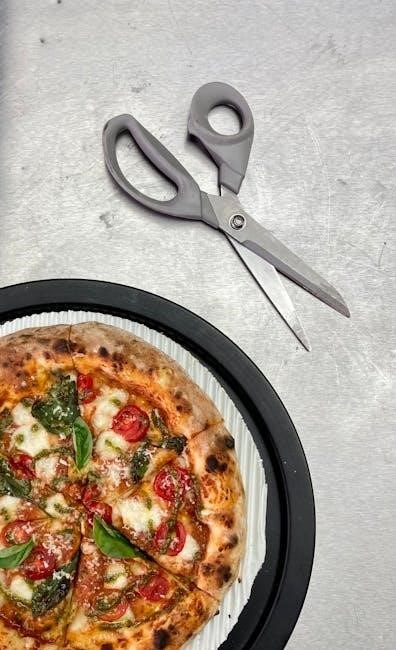
However, it quickly expands into explorations of cooked and uncooked sauces, the impact of different tomato varieties (San Marzano, Roma, etc.), and techniques for concentrating flavors through reduction and evaporation. The guide delves into the science of pectin and acidity, explaining how to balance these elements for optimal sauce texture and taste.
Furthermore, Modernist Pizza presents unique sauce variations incorporating ingredients like roasted vegetables, fermented tomatoes, and even fruit purees, pushing the boundaries of traditional pizza flavors. Detailed recipes and explanations empower pizza makers to create sauces tailored to their specific pizza styles and preferences.
Volume 3: Styles and Recipes
Modernist Pizza’s third volume showcases diverse styles—Neapolitan, New York, Sicilian, and Detroit—with detailed recipes. It’s a comprehensive exploration of global pizza traditions!
Neapolitan Pizza: Traditional Methods
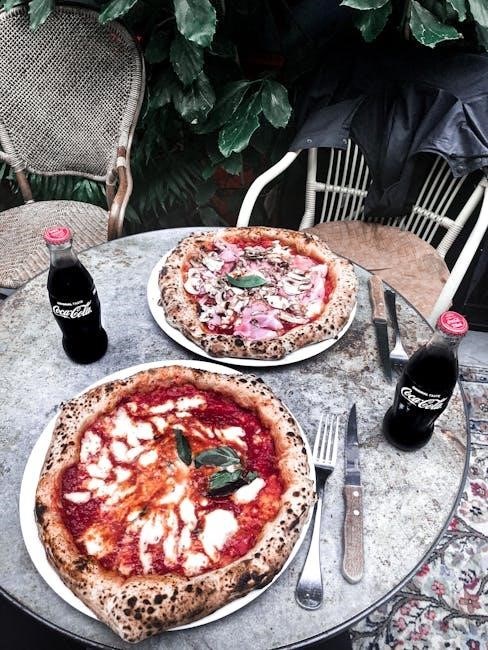
Modernist Pizza meticulously dissects the art of authentic Neapolitan pizza, delving into the strict guidelines and historical context that define this iconic style. The PDF details the precise specifications for dough composition – utilizing only “00” flour, water, salt, and yeast – and emphasizes the critical importance of hand-stretching techniques to achieve the characteristic thin, pliable crust.
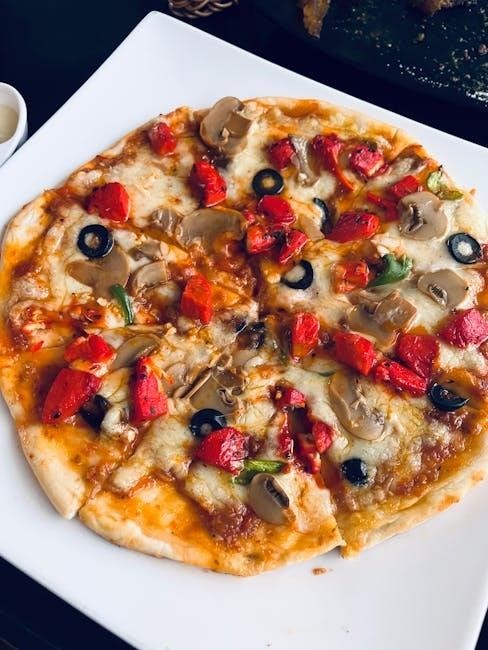
It explores the nuances of wood-fired oven temperatures, typically exceeding 900°F (482°C), and the incredibly short baking times, often under 90 seconds, that result in a leopard-spotted char and a slightly chewy texture. The volume doesn’t merely present recipes; it analyzes the why behind each step, explaining the chemical reactions and physical transformations occurring during the process.
Furthermore, Modernist Pizza examines the traditional toppings – San Marzano tomatoes, fresh mozzarella (preferably fior di latte or buffalo mozzarella), fresh basil, and extra virgin olive oil – and their impact on the final flavor profile. It provides guidance on sourcing high-quality ingredients and mastering the delicate balance required to create a truly exceptional Neapolitan pizza, honoring centuries of tradition.
New York-Style Pizza: Achieving the Perfect Slice
Modernist Pizza dedicates significant attention to the intricacies of New York-style pizza, dissecting the elements that contribute to its distinctive character – a large, thin, and foldable slice with a crispy yet chewy crust. The PDF details the importance of high-gluten flour, often a blend, and explores the impact of different hydration levels on dough extensibility and texture.
It meticulously examines the role of oil in the dough, contributing to its tenderness and flavor, and provides guidance on achieving the perfect balance between crispness and chew. The volume delves into sauce formulation, emphasizing the use of simple, high-quality ingredients and the importance of proper seasoning.
Modernist Pizza also addresses the unique baking techniques employed in New York pizzerias, including the use of deck ovens and the strategic placement of pizzas within the oven to ensure even cooking. It offers insights into achieving the signature “well” in the center of the slice and the characteristic bubbling and browning of the crust, ultimately guiding readers to replicate this beloved style.
Sicilian Pizza: Thick Crust Perfection
Modernist Pizza thoroughly investigates Sicilian pizza, a style characterized by its thick, rectangular crust, airy crumb, and generous topping coverage. The PDF meticulously details the high-hydration dough formulation crucial for achieving the signature light and fluffy texture, often exceeding 70% hydration. It explores the impact of different flour types and mixing techniques on gluten development and dough extensibility.
A key focus is the pan preparation – specifically, the generous application of oil to the baking sheet, which contributes to the crust’s characteristic crispness on the bottom. Modernist Pizza provides detailed guidance on sauce application, emphasizing a robust tomato sauce often seasoned with herbs and spices;
The volume also examines the baking process, highlighting the importance of a moderate oven temperature and a longer bake time to ensure the crust is fully cooked through while maintaining its airy interior. It offers insights into achieving the perfect balance between a crispy exterior and a soft, pillowy crumb, resulting in true Sicilian perfection.
Detroit-Style Pizza: A Deep-Dish Delight
Modernist Pizza dedicates significant attention to Detroit-style pizza, renowned for its rectangular shape, thick, focaccia-like crust, and distinctive cheese caramelization along the edges. The PDF dissects the unique dough formulation, typically utilizing high-protein flour and a moderate hydration level, crucial for achieving structural integrity and a satisfying chew.
A core element explored is the use of a well-seasoned, blue steel pan – a non-negotiable component for achieving the signature crispy, cheesy frico crust. Modernist Pizza details the precise oiling technique required to ensure optimal caramelization and prevent sticking. The layering of ingredients is also meticulously analyzed, with the cheese extending to the very edges of the pan.
The volume further examines the baking process, emphasizing the importance of a high oven temperature and a specific baking time to create a deeply golden, bubbly crust and perfectly melted cheese. It’s a deep dive into achieving Detroit-style perfection!

Utilizing the Modernist Pizza PDF
Modernist Pizza’s PDF offers easy navigation, recipe implementation guidance, and troubleshooting for common issues. It’s a resource for both novice and experienced pizza makers!
Navigating the Digital Format
The Modernist Pizza PDF is a substantial digital resource, demanding a strategic approach to navigation. Its extensive 1,708 pages are meticulously structured into three volumes, plus a dedicated recipe manual, each addressing distinct facets of pizza creation. Utilizing the PDF reader’s search function is paramount; pinpointing specific ingredients, techniques, or pizza styles becomes effortless.
Hyperlinks within the document connect related content, fostering a non-linear exploration of the material. The interactive table of contents provides a clear overview of the book’s organization, allowing users to quickly jump to desired chapters. Zoom functionality is crucial for examining detailed photographs and illustrations, showcasing the intricacies of each technique.
Furthermore, bookmarking frequently referenced sections streamlines the workflow, creating a personalized learning path. The PDF’s structure facilitates cross-referencing between volumes, enabling a holistic understanding of the pizza-making process. Mastering these navigational tools unlocks the full potential of this comprehensive guide.
Recipe Implementation and Scaling
Modernist Pizza’s recipes are presented with precision, demanding careful implementation for optimal results. The PDF provides detailed ingredient lists and step-by-step instructions, emphasizing the importance of accurate measurements and timing. Successful execution relies on understanding the underlying scientific principles explained throughout the volumes.
Scaling recipes requires a nuanced approach, considering the impact of ingredient ratios on dough hydration and fermentation. The book doesn’t shy away from complex calculations, offering guidance on adjusting quantities for different batch sizes. Maintaining consistency across scaled recipes necessitates precise weighing and thorough mixing.
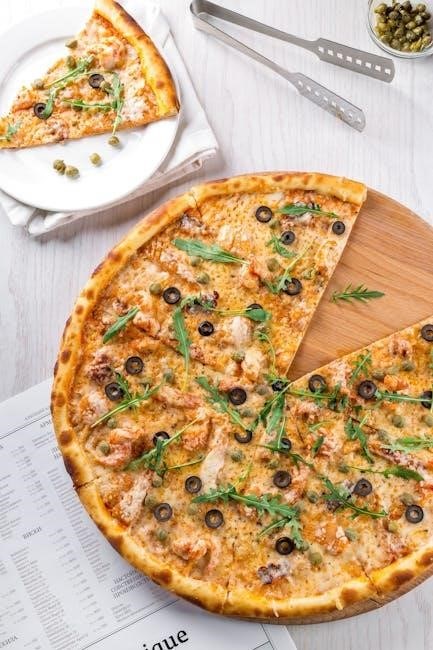
Experimentation is encouraged, but always with a firm grasp of the foundational techniques; The PDF’s troubleshooting section assists in addressing common issues encountered during recipe implementation and scaling, ensuring a rewarding pizza-making experience. Careful attention to detail is key to replicating the exceptional results showcased within.
Troubleshooting Common Pizza Problems
Modernist Pizza doesn’t just present ideal outcomes; it proactively addresses potential pitfalls. The PDF dedicates significant space to troubleshooting, recognizing that even skilled pizzaiolos encounter challenges. Common issues like uneven baking, sticking dough, or lackluster crusts are systematically analyzed.
The guide dissects the root causes of these problems, linking them back to factors like oven temperature inconsistencies, improper dough hydration, or incorrect ingredient ratios. Detailed solutions are provided, ranging from adjusting baking times to modifying dough formulations.
Furthermore, the PDF emphasizes the importance of observation and iterative refinement. It encourages users to meticulously document their process and analyze results to pinpoint areas for improvement. By understanding the science behind each step, pizzaiolos can confidently diagnose and resolve issues, consistently achieving exceptional pizza.
Further Resources and Community Engagement
Modernist Pizza extends beyond the 1,708 pages of its volumes, fostering a vibrant community and providing avenues for continued learning. The PDF often links to supplementary online resources, including detailed videos demonstrating advanced techniques and ingredient sourcing guides.
The authors actively encourage engagement through dedicated online forums and social media groups, creating a space for pizzaiolos of all levels to share experiences, ask questions, and collaborate. This collaborative environment allows users to benefit from the collective knowledge of a passionate community.
Moreover, the Modernist Pizza team frequently hosts workshops and events, offering hands-on training and opportunities to connect with industry experts. This commitment to ongoing support ensures that users can continually refine their skills and stay at the forefront of pizza innovation.